Are you planning a new tarmac driveway and wondering how many days it will take? This is a question many homeowners want the answer to because a driveway project can affect everything from parking a car to accessing the home.
In this guide, we’ll walk you through the typical timeline from start to finish, break down each stage of the process and explain the factors that can speed things up or slow them down. By the end, you’ll know how to plan for the smoothest installation possible.
How Many Days Does it Take to Lay a Tarmac Driveway?
It depends on the size, weather and the person doing it. The timeframe also includes ground preparation, laying the sub-base, applying the tarmac and allowing it to settle. That being said, here is the average time it takes to lay a driveway:
- Smaller driveways can often be completed in 2–3 days.
- Medium driveways typically take 3–4 days.
- Large or complex driveways could need 4–5 days or more.
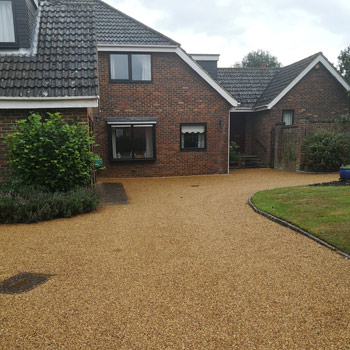
Step-by-Step Timeline of Laying a Tarmac Driveway
So you’ve decided to upgrade your driveway and need to plan for the process. While every project is different, most tarmac driveway installations follow the same sequence.
Here’s what typically happens each day:
Day 1
Site Preparation
The team will remove any old driveway surface, grass or debris, then level the ground. If drainage improvements are needed, they’ll be installed at this stage. Good preparation is essential because it’s what ensures your tarmac driveway stays smooth and crack-free for years to come.
Day 2
Sub-base Installation
A compacted layer of crushed stone or aggregate is laid to create a solid foundation. This step is crucial for strength and durability, as it prevents movement and sinking over time. On smaller driveways, the sub-base may be finished on the first day, but larger projects often need the extra day.
Day 3
Binder Layer & Base Checks
If your driveway design requires it, a binder or base layer is applied over the sub-base. This acts as the middle layer between the foundation and the surface tarmac. The tarmac laying company will also make final checks for level and drainage to avoid pooling water later.
Day 4
Laying the Tarmac Surface
Next, the hot tarmac mix is poured, spread and machine-rolled for a smooth finish. Timing is critical here – tarmac needs to be worked quickly while it’s still hot to achieve the best compaction and finish.
Day 5
Finishing Touches
Finally, edges are sealed, any decorative features are added and the surface gets its final roll. At this point, the driveway will look complete, but it still needs a little time before it’s ready for cars because fresh tarmac might look solid straight away, but underneath, it’s still cooling and hardening. Driving on it too soon can leave tyre marks, create dents or even shift the surface slightly, all of which can shorten its lifespan.
Factors That Affect the Timeline
While 2 to 5 days is the general rule, as mentioned previously, the exact time it takes to lay your tarmac driveway can vary.
These are the main factors that influence the schedule:
1. Weather Conditions
Tarmac needs to be laid and compacted while it’s hot — that’s why dry weather is essential. Heavy rain, frost or extreme heat can unfortunately delay the process, sometimes by a day or two, to protect the finish and avoid long-term damage.
2. Driveway Size and Complexity
A straightforward single-car driveway will naturally take less time than a sweeping, multi-vehicle design with curves and edges. The more surface area and detail involved, the longer the job.
3. Ground Condition
If the ground is already level and stable, preparation will be quick. But if the base needs excavation, drainage installation or soil stabilisation, expect additional time before the tarmac goes down.
4. Layers Required
Some driveways only need a single tarmac layer over the sub-base. In contrast, others require a separate binder course for extra strength, with each additional layer adding at least a day to the project.
5. Size of the Installation Team
If you decide to hire a professional tarmac laying company, a larger crew with the right equipment can combine steps and work more efficiently, reducing the total project time. Smaller teams will often spread the work across more days.
6. Access and Site Restrictions
Tight driveways, limited vehicle access and shared entryways can slow progress, especially if you need to move machinery and materials in and out.
How Long Before You Can Drive on It?
A freshly laid tarmac driveway might look ready to use within hours, but underneath, it’s still curing, and that’s when it’s most vulnerable. Using it too soon can cause indentations, scuff marks or even shift the surface slightly, all of which can shorten its lifespan.
As a general guide:
- You can usually walk on your new driveway after 24 hours.
- Wait 48–72 hours before allowing vehicles on the surface.
- In warm conditions, tarmac takes longer to harden, so it’s wise to wait a little longer, especially for heavier vehicles.
Why the Right Contractor Matters
Most tarmac driveways take two to five days to complete, but the quality of the work matters more than the timeframe. A skilled contractor will prepare the base properly, lay the tarmac at the right temperature and compact it for a lasting finish.
Hiring a professional tarmac laying company means fewer delays, a smoother surface and a driveway that holds up for decades.